3D Printing Logo Design: A New Dimension in Brand Identity
For businesses and creatives seeking to stand out in a competitive market, 3D printing logo design offers a unique approach to branding. Unlike traditional 2D logos, 3D printed logos introduce physical depth, texture, and dimensionality that can enhance visual appeal and brand recognition. This method is particularly valuable for companies looking to create tangible marketing materials, product packaging, or custom merchandise that reflects their brand identity in a more immersive way.
What Is 3D Printing Logo Design?
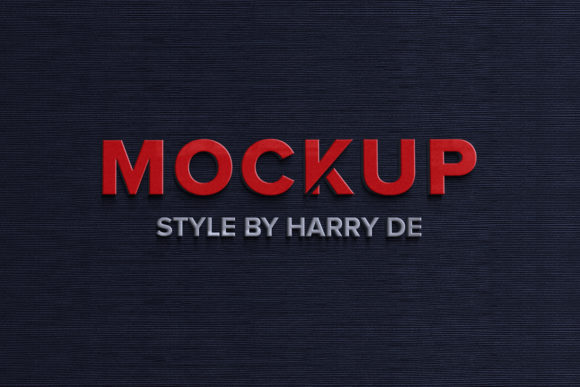
3D printing logo design refers to the process of creating a logo in three dimensions using additive manufacturing techniques. This involves designing a digital model with specialized software and then printing it layer by layer using a 3D printer. The result is a physical object that maintains the core elements of a brand’s visual identity while adding a tactile component. This form of design is ideal for businesses that want to integrate their logo into physical products, such as promotional items, signage, or even architectural elements.
The technology behind 3D printing allows for intricate details and complex shapes that would be difficult or impossible to achieve with traditional manufacturing methods. This makes it an attractive option for brands aiming to push creative boundaries and offer something distinctive to their audience.
Key Characteristics of 3D Printed Logos
Several features distinguish 3D printed logos from their 2D counterparts. First, they are inherently three-dimensional, which means they can be viewed from multiple angles without losing clarity or detail. This is especially useful for logos that appear on products or displays where visibility from different perspectives is important.
Second, 3D printed logos can incorporate texture and material variation. For example, a logo might have a glossy finish on one part and a matte surface on another, or it could include raised elements that users can feel. These tactile qualities add another layer of engagement, making the logo more memorable and impactful.
Third, the versatility of 3D printing enables customization at scale. Businesses can produce small batches of personalized items with unique logos, which is beneficial for niche markets or limited-edition releases. This flexibility also supports rapid prototyping, allowing designers to test and refine their concepts before final production.
Practical Value and Real-World Applications
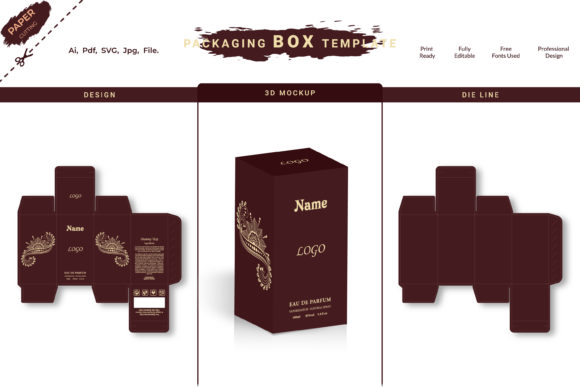
3D printing logo design has practical applications across various industries. In retail, for instance, branded merchandise like keychains, phone cases, or desk organizers can be produced with custom 3D logos, offering a cost-effective way to promote a business. These items not only serve as promotional tools but also act as tangible reminders of a brand’s presence in the customer’s daily life.
In the event and exhibition industry, 3D printed logos are used for signage, banners, and interactive displays. Their durability and ability to withstand outdoor conditions make them suitable for both indoor and outdoor use. Additionally, they can be designed to fit specific spatial constraints, ensuring that the logo remains visible and effective in any environment.
For educational institutions and museums, 3D printed logos can be integrated into exhibits, helping to reinforce institutional branding while providing an engaging experience for visitors. These logos can be paired with other interactive elements, such as touchscreens or augmented reality features, to create a more dynamic and immersive display.
Strengths and Limitations
One of the primary strengths of 3D printing logo design is its ability to transform abstract brand concepts into physical objects. This can be particularly advantageous for startups or emerging brands that need to establish a strong visual identity quickly. The process also allows for greater creative freedom, enabling designers to experiment with unconventional shapes and structures that might not be feasible with traditional methods.
However, there are limitations to consider. 3D printing can be more expensive than traditional manufacturing, especially for large-scale production. The cost of materials and the time required for printing can also affect the overall budget. Additionally, not all 3D printers are capable of producing high-quality results, so selecting the right equipment and materials is essential for achieving the desired outcome.
Another challenge is the learning curve associated with 3D modeling and printing. While many design tools are user-friendly, mastering the software and understanding the technical aspects of 3D printing may require some investment in time or training. This could be a barrier for individuals or small businesses without access to specialized resources.
Who Benefits Most from 3D Printing Logo Design?
Entrepreneurs and small business owners who want to differentiate their brand in a crowded marketplace will find 3D printing logo design particularly useful. It allows them to create unique, high-quality promotional materials that reflect their brand’s personality and values. This is especially relevant for niche markets or creative industries where originality is key.
Marketers and advertisers can also benefit from 3D printed logos by incorporating them into campaigns that emphasize innovation and interactivity. Whether through product samples, event giveaways, or interactive installations, these logos can help capture attention and foster deeper connections with the target audience.
Designers and artists may appreciate the creative possibilities offered by 3D printing. It provides a new medium for expressing brand identities and experimenting with form, structure, and materiality. This can lead to more engaging and visually striking designs that resonate with audiences in novel ways.
Recommendations for Effective Use
To get the most out of 3D printing logo design, it’s important to start with a clear concept. Define the purpose of the logo and how it will be used—whether for promotional items, signage, or product integration. This will guide the design process and ensure that the final product meets the intended goals.
Collaboration between designers, engineers, and manufacturers is also crucial. Each party brings a different perspective, and working together can help overcome technical challenges and optimize the design for production. Testing prototypes early in the process can save time and resources in the long run.
Finally, consider the scalability of the project. If the goal is to produce a large quantity of 3D printed logos, it may be necessary to invest in industrial-grade 3D printers or partner with a reliable manufacturer. This ensures consistency in quality and reduces the risk of production delays.
Conclusion
3D printing logo design represents a powerful intersection of technology and creativity, offering a fresh approach to branding that goes beyond traditional 2D formats. Its ability to add depth, texture, and physical presence makes it a compelling choice for businesses and designers looking to innovate and engage their audience in new ways. While there are challenges to consider, the potential benefits—ranging from enhanced brand visibility to increased customer interaction—make it a worthwhile investment for those willing to explore its possibilities. As the field continues to evolve, 3D printing logo design is likely to play an increasingly significant role in shaping the future of brand identity.