3d Particles Background Design: A New Dimension in Digital Creativity
In the ever-evolving landscape of digital design, 3d Particles Background Design has emerged as a powerful tool for creating immersive and visually striking experiences. This technique involves using tiny, dynamic elements—often referred to as particles—to form intricate, moving backgrounds that add depth, motion, and interactivity to websites, applications, and multimedia projects. As technology advances and user expectations grow, 3d Particles Background Design is becoming more than just a visual trend; it's a practical solution for engaging audiences in new and meaningful ways.
Whether you're a web developer, graphic designer, or business owner looking to stand out in a crowded market, understanding how 3d Particles Background Design works and why it matters can open up new creative possibilities. Let’s explore what this design approach entails, how it fits into current trends, and what it means for the future of digital aesthetics.
What Is 3d Particles Background Design?
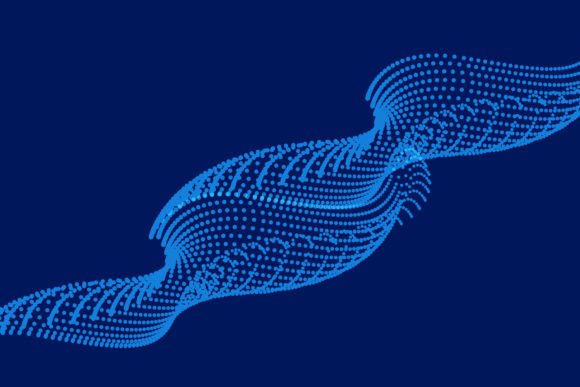
At its core, 3d Particles Background Design uses small, individual elements—such as dots, lines, or shapes—that move and interact within a three-dimensional space. These particles are often animated using JavaScript libraries like Three.js or WebGL, allowing them to respond to user input, time, or other environmental factors. The result is a background that feels alive, dynamic, and highly customizable.
This approach differs from traditional static or video backgrounds by offering a level of interactivity and adaptability that enhances user engagement. Instead of a flat image or looping video, a 3d Particles Background can shift and change in real-time, creating a unique experience for each viewer.
One of the key advantages of this design method is its flexibility. It can be used in a variety of contexts, from landing pages and app interfaces to interactive art installations and virtual reality environments. The ability to control particle behavior, color, and movement makes it a versatile choice for designers seeking to create memorable digital experiences.
Why 3d Particles Background Design Matters Today
The rise of 3d Particles Background Design coincides with broader shifts in how people interact with digital content. As users become more accustomed to dynamic, responsive interfaces, static designs no longer hold the same appeal. Modern audiences expect visuals that are not only aesthetically pleasing but also engaging and interactive.
This trend is especially relevant in industries where first impressions matter. For example, startups and tech companies often use 3d Particles Backgrounds to convey innovation and forward-thinking. Similarly, creative agencies and artists leverage this technique to showcase their work in a way that captures attention and tells a story.
Moreover, the increasing availability of tools and frameworks for creating 3d effects has made it more accessible than ever. What once required advanced coding skills is now achievable with drag-and-drop builders, pre-made templates, and open-source libraries. This democratization of design allows more creators to experiment with 3d Particles Backgrounds without needing extensive technical expertise.
How 3d Particles Background Design Fits Into Current Trends
Several trends in the digital world align with the growing popularity of 3d Particles Background Design. One such trend is the shift toward micro-interactions and subtle animations that enhance user experience. By incorporating particles into these interactions, designers can create more intuitive and visually compelling interfaces.
Another relevant trend is the emphasis on personalization. With 3d Particles Backgrounds, designers can tailor the visual experience based on user behavior, preferences, or even real-time data. This level of customization helps build stronger connections between brands and their audiences.
Additionally, the rise of augmented reality (AR) and virtual reality (VR) has created new opportunities for 3d Particles Backgrounds. In AR and VR environments, these backgrounds can help define spatial relationships, guide user navigation, or add layers of visual interest to otherwise empty spaces.
As remote work and digital collaboration become more common, 3d Particles Backgrounds are also being used in virtual meeting platforms and online learning environments. They can serve as visual cues, mood setters, or even interactive elements that make virtual spaces feel more dynamic and engaging.
The Evolution of 3d Particles Background Design
While 3d Particles Background Design may seem modern, its roots can be traced back to early experiments with generative art and computational design. In the 1960s and 1970s, artists and programmers explored how algorithms could create complex, evolving visual patterns. These early efforts laid the foundation for the sophisticated particle systems we see today.
Over the years, advancements in computing power and graphics processing have made it possible to render high-quality particle effects in real-time. This has led to a surge in popularity, particularly in gaming, film, and web design. As a result, 3d Particles Backgrounds are no longer limited to niche applications—they’re now a mainstream design element across multiple industries.
One of the most significant changes in recent years has been the focus on performance and efficiency. Early implementations of particle systems often suffered from slow load times and high resource consumption. However, modern techniques and optimized code have made it possible to deliver smooth, high-quality experiences without compromising speed or usability.
Practical Implications for Users and Creators
For users, 3d Particles Backgrounds can enhance the overall experience of a website or application. They can draw attention to important information, provide visual feedback during interactions, or simply add a sense of movement and life to an otherwise static interface. When used thoughtfully, these backgrounds can improve usability and make digital products more enjoyable to use.
From a creator’s perspective, 3d Particles Backgrounds offer a range of benefits. They allow for greater artistic expression, enable unique branding, and can differentiate a product from competitors. Additionally, they provide a way to experiment with new design concepts and push the boundaries of what’s possible in digital media.
Businesses, too, can benefit from incorporating 3d Particles Backgrounds into their digital presence. Whether it’s a marketing campaign, e-commerce site, or corporate portal, these backgrounds can help create a lasting impression and reinforce brand identity. They can also be used to highlight key messages, guide user flow, or support storytelling efforts.
Realistic Examples and Recommendations
Many well-known brands and platforms have successfully integrated 3d Particles Backgrounds into their designs. For instance, some tech startups use particle effects on their landing pages to emphasize innovation and creativity. Others incorporate them into mobile apps to create a more immersive user experience.
A practical approach to implementing 3d Particles Backgrounds is to start with a simple prototype. Use existing tools or libraries to test different styles, movements, and interactions before committing to a full implementation. This allows for iterative improvements and ensures that the final result aligns with the intended purpose.
When designing with particles, it’s important to maintain balance. Too many particles or overly complex animations can overwhelm users and slow down performance. Focus on clarity, purpose, and user experience to ensure that the design enhances, rather than detracts from, the overall functionality.
Finally, consider the context in which the background will be used. A 3d Particles Background that works well on a desktop computer may not perform as expected on a mobile device. Testing across different platforms and screen sizes is essential to delivering a consistent and reliable experience.
Looking Ahead: The Future of 3d Particles Background Design
As technology continues to evolve, the potential for 3d Particles Background Design will only expand. Advances in artificial intelligence, machine learning, and real-time rendering could lead to even more sophisticated and personalized particle effects. These developments may enable designers to create backgrounds that adapt to user behavior, environmental conditions, or even emotional states.
However, it’s important to remember that the success of any design depends on its ability to serve a purpose. While 3d Particles Backgrounds can be visually stunning, they should always be used with intention and consideration for the user experience. The best designs are those that combine beauty with function, creating a seamless and meaningful interaction between the user and the digital environment.
For anyone interested in exploring 3d Particles Background Design, the key is to stay curious, experiment boldly, and remain focused on the end goal. Whether you're a seasoned designer or a newcomer to the field, there’s always something new to learn and discover in this exciting area of digital creativity.