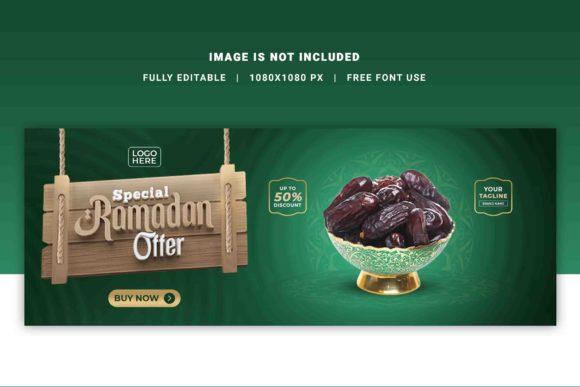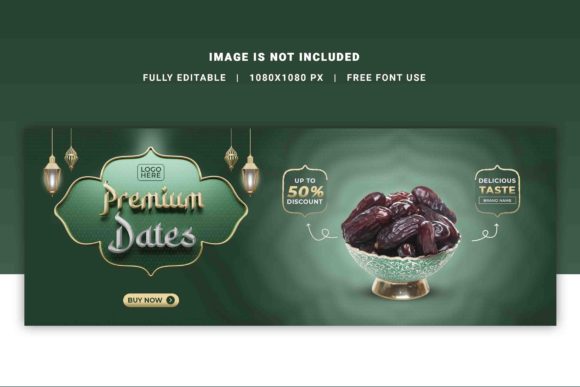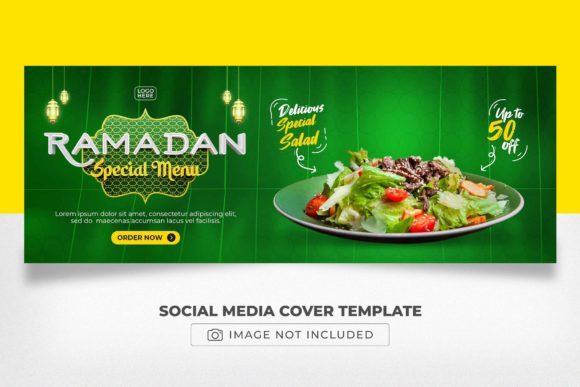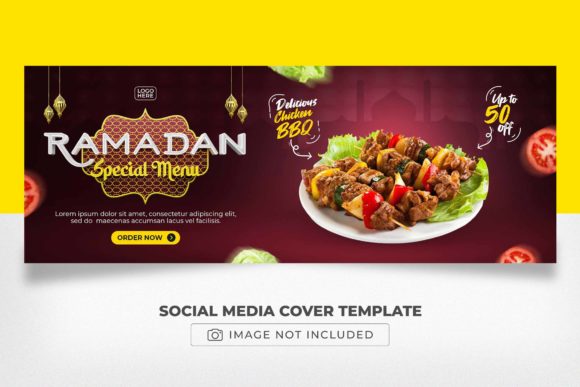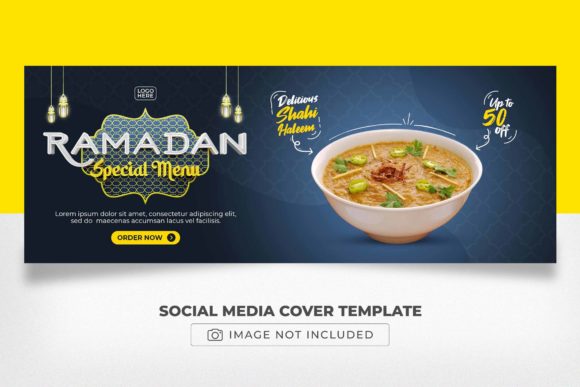
Ramadan Halim 3D Facebook Cover Design: A Practical Guide for Modern Workflow Integration
For professionals, creators, and entrepreneurs, a well-designed Facebook cover can significantly enhance personal branding and business visibility. Ramadan Halim 3D Facebook Cover Design offers a unique approach to creating visually striking and dynamic cover images that stand out in a crowded digital space. This design style combines three-dimensional elements with modern aesthetics, making it ideal for individuals and businesses looking to elevate their online presence.
Understanding how to integrate this design into your workflow requires a clear grasp of its purpose, application, and compatibility with other tools and processes. Whether you're managing a personal brand, launching a new product, or optimizing your social media strategy, the right cover design can make a meaningful difference.
What Is Ramadan Halim 3D Facebook Cover Design?
Ramadan Halim 3D Facebook Cover Design refers to a specific style of cover image that incorporates three-dimensional visual effects, often using layered graphics, depth, and perspective to create an immersive look. This design is named after Ramadan Halim, a designer known for his innovative use of 3D elements in social media visuals. The result is a cover that not only captures attention but also aligns with broader branding efforts.
This type of design is particularly useful for platforms like Facebook, where the cover image serves as a first impression for visitors. It can be used to reflect personal identity, promote a business, or support a campaign. The key is to ensure that the design complements other visual assets, such as profile pictures, website banners, and social media posts.
How It Fits Into Broader Workflows
Ramadan Halim 3D Facebook Cover Design can be integrated at various stages of a project or creative process. Before starting a new initiative, it can help establish a strong visual foundation. During execution, it can serve as a consistent element across different channels. After completion, it can be refined or updated based on feedback and performance metrics.
For example, a marketer launching a new product might use this design to create a cohesive visual theme for their social media profiles. A content creator could use it to reinforce their brand identity across multiple platforms. In both cases, the design acts as a unifying element that supports broader marketing goals.
Using It Before, During, and After Projects
Before a project begins, a well-crafted cover design can set the tone and expectations. It helps communicate the nature of the work, whether it's a personal blog, a business venture, or a creative endeavor. This early integration ensures that all subsequent materials align with the chosen visual style.
During a project, the design can act as a reference point. It may be used in presentations, client communications, or internal team discussions to maintain consistency. For instance, a web developer working on a new site might use the cover design as a template for other visual assets, ensuring a unified look across all touchpoints.
After a project is completed, the design can be reviewed and adjusted based on user engagement or feedback. This allows for continuous improvement and adaptation to changing trends or audience preferences. It also provides an opportunity to update the design without disrupting the overall brand identity.
Interactions With Other Tools and Resources
Ramadan Halim 3D Facebook Cover Design works best when combined with other design tools and resources. Graphic design software like Adobe Photoshop, Illustrator, or Canva can be used to create and refine the design. These tools offer features that support 3D modeling, layering, and text formatting, which are essential for achieving the desired effect.
Additionally, integrating the design with other branding elements—such as logos, color schemes, and typography—ensures a cohesive visual identity. This is especially important for businesses that rely on consistent branding across multiple platforms. By maintaining alignment between the cover design and other assets, users can build a stronger and more recognizable brand presence.
Practical Implementation Tips
To effectively implement Ramadan Halim 3D Facebook Cover Design, start by defining your goals. Are you aiming to increase engagement, promote a product, or strengthen your personal brand? Once you have a clear objective, choose a design style that aligns with your message and audience.
Next, consider the technical requirements. Facebook covers have specific dimensions (1200 x 630 pixels), so it's important to create the design within these constraints. Use high-resolution images and optimize them for fast loading times. This ensures that the design looks sharp on all devices while maintaining performance.
Collaboration is another key factor. If you're working with a team or a designer, establish clear communication to ensure that everyone understands the vision and requirements. Regular reviews and feedback sessions can help identify potential issues early and improve the final outcome.
Workflow Examples and Observations
One practical example is a small business owner who uses Ramadan Halim 3D Facebook Cover Design to promote their services. They begin by selecting a design that reflects their brand’s personality and values. They then use graphic design software to create the cover, incorporating 3D elements that highlight their offerings. Finally, they upload the design to their Facebook page and monitor engagement metrics to assess its impact.
Another example involves a content creator who updates their cover design regularly to match their latest projects. They use a template-based approach to streamline the process, ensuring that each new design maintains a consistent look while reflecting new themes or campaigns. This method saves time and reduces the risk of visual inconsistency.
Observations from these examples suggest that successful implementation relies on planning, consistency, and adaptability. Users who take the time to understand their needs and develop a structured approach tend to achieve better results than those who treat the design as an afterthought.
Factors to Consider for Long-Term Use
When using Ramadan Halim 3D Facebook Cover Design over time, several factors should be considered. Preparation is essential—this includes gathering assets, defining a style guide, and setting up templates. Compatibility with other tools and platforms ensures that the design remains functional and adaptable.
Usability is another important aspect. The design should be easy to update and modify as needed. Organization plays a role in managing multiple versions of the design, especially if it's used across different projects or campaigns. Efficiency in the creation and maintenance process helps reduce time and effort in the long run.
Consistency in quality control is crucial. Regular reviews of the design help maintain its effectiveness and relevance. This includes checking for visual coherence, technical performance, and alignment with brand guidelines. By addressing these factors, users can ensure that the design remains a valuable asset over time.