Realistic New 3d Logo Mockup Design for Modern Workflow Integration
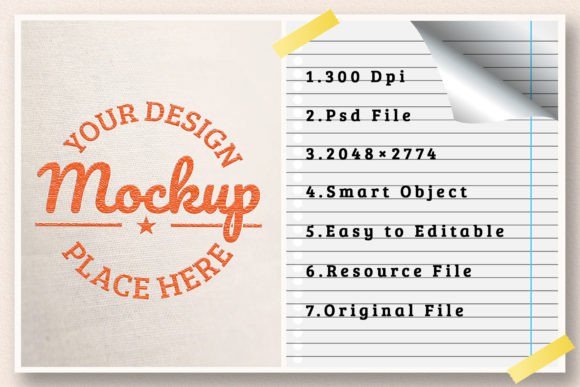
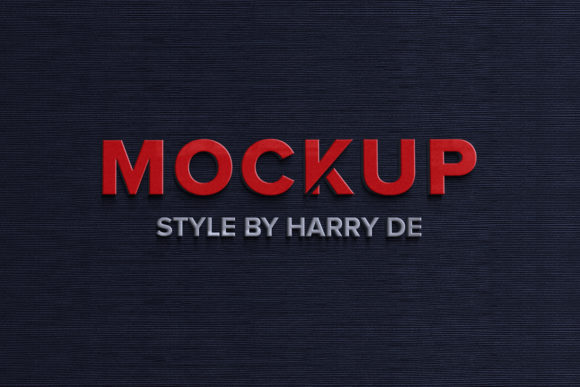
Realistic new 3d logo mockup design is a powerful tool that bridges the gap between conceptual branding and tangible visual identity. It allows designers, entrepreneurs, and creative professionals to visualize how a logo will appear in real-world contexts before finalizing the design. This process is essential for ensuring that the logo meets both aesthetic and functional goals, making it a critical component of the broader design and business workflow.
Whether you're launching a new brand, rebranding an existing business, or creating marketing materials, integrating realistic 3d logo mockups into your process can save time, reduce errors, and improve decision-making. Understanding how to use these mockups effectively can enhance your productivity and ensure consistent results across all projects.
How Realistic New 3d Logo Mockup Design Fits Into the Broader Process
Realistic new 3d logo mockup design typically comes into play during the early stages of a project, but its usefulness extends throughout the entire workflow. Before finalizing a logo, designers often use mockups to test different variations, color schemes, and layouts. This step helps identify potential issues and ensures that the logo will work in various applications, such as websites, packaging, or signage.
During the execution phase, mockups serve as a reference point for maintaining consistency across all brand assets. They help teams align on visual direction and ensure that the logo remains recognizable in different formats and environments. After the project is complete, mockups can be used for quality control, verifying that the final output matches the intended design.
Using Realistic New 3d Logo Mockup Design in Different Stages
The application of realistic new 3d logo mockup design varies depending on the stage of a project. In the planning phase, it can be used to explore ideas and gather feedback from stakeholders. By presenting mockups, designers can communicate their vision more effectively and make adjustments based on input before investing significant time in the final design.
During the development phase, mockups help maintain focus and prevent deviations from the original concept. They act as a visual guide, ensuring that every iteration stays true to the brand's identity. For example, when designing a website, a mockup can show how the logo will look on different screen sizes, helping to optimize the user experience.
In the post-launch phase, realistic 3d logo mockups can be used to evaluate the performance of the brand in real-world settings. This might involve testing the logo on physical products, social media, or advertising campaigns. By analyzing how the logo appears in these contexts, businesses can make informed decisions about future updates or improvements.
Integration with Other Tools and Resources
Realistic new 3d logo mockup design works best when integrated with other design tools, platforms, and workflows. Many designers use software like Adobe Photoshop, Illustrator, or Blender to create mockups, which can then be exported and used in presentations, client reviews, or marketing materials. These tools allow for high levels of customization and realism, making the mockups more effective for communication and decision-making.
Collaboration is another key aspect of using realistic 3d logo mockups. When working with a team, mockups can be shared via cloud-based platforms, enabling real-time feedback and revisions. This streamlines the approval process and reduces the risk of miscommunication. Additionally, mockups can be incorporated into project management systems, ensuring that they are accessible to all relevant parties throughout the project lifecycle.
Practical Implementation Tips
To get the most out of realistic new 3d logo mockup design, start by defining clear objectives for each project. What do you want to achieve with the mockup? Are you testing different styles, preparing for client presentations, or optimizing for multiple platforms? Having a clear purpose will help guide your choices and ensure that the mockups are useful and relevant.
When creating mockups, consider the environments where the logo will be used. A logo that looks great on a digital screen may not translate well to print or large-scale displays. Use high-resolution images and realistic lighting effects to simulate these conditions accurately. This attention to detail can prevent costly mistakes and ensure that the final product meets expectations.
Organize your mockups in a way that makes them easy to access and reference. Whether you're using a digital asset management system or a simple folder structure, keeping your files well-organized will save time and reduce confusion. Consistency is also important—maintain a standard format and naming convention across all mockups to streamline the workflow.
Observations on Usability and Efficiency
One of the main benefits of realistic new 3d logo mockup design is its ability to improve usability and efficiency. By visualizing the logo in different contexts, designers can quickly identify potential issues and make adjustments before moving forward. This proactive approach saves time and resources, allowing teams to focus on higher-level tasks and creative development.
Efficiency is also enhanced through the reuse of mockups. Once a mockup is created, it can be adapted for different purposes, such as social media posts, email newsletters, or printed materials. This flexibility reduces the need for repetitive work and ensures that the brand remains cohesive across all channels.
Long-Term Use and Quality Control
Realistic new 3d logo mockup design should not be seen as a one-time task but as an ongoing part of the design and business process. As brands evolve and new projects emerge, mockups can be revisited and updated to reflect changes in style, messaging, or market trends. This long-term perspective ensures that the logo remains relevant and effective over time.
Quality control is another area where mockups play a crucial role. By comparing the final output to the original mockup, businesses can verify that the logo has been implemented correctly. This is especially important for large organizations with multiple teams and departments, where consistency is key to maintaining a strong brand presence.
Ultimately, realistic new 3d logo mockup design is more than just a visual aid—it's a strategic tool that supports planning, execution, and long-term success. By understanding how to use it effectively, professionals can enhance their workflow, improve decision-making, and deliver better results for their clients and organizations.