Sales 3D Illustration: A Strategic Tool for Better Business Outcomes
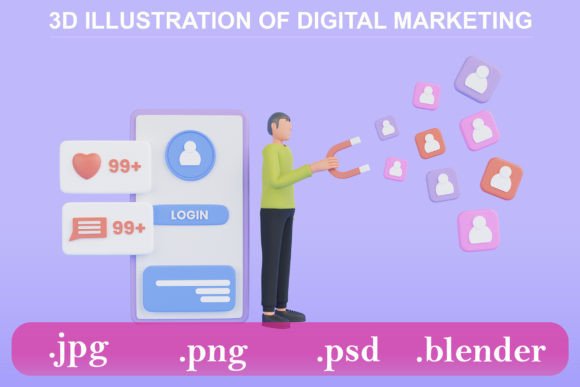
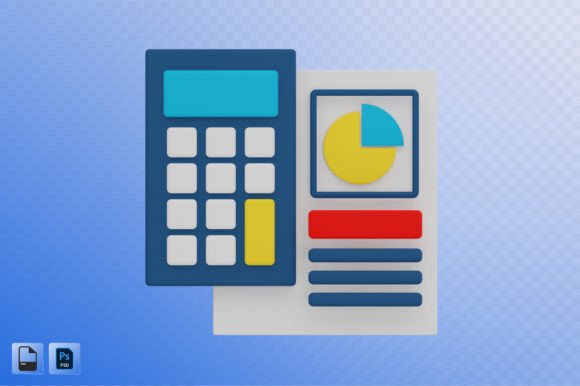
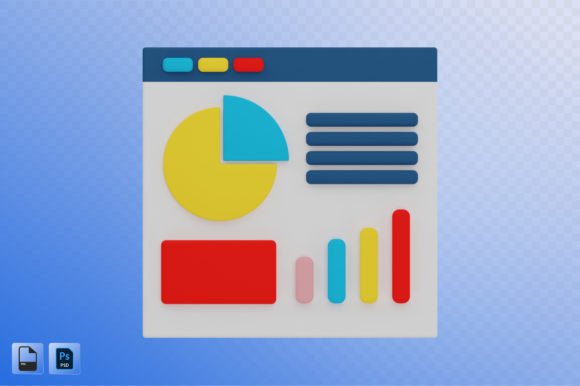
Sales 3D illustration is a visual technique that transforms complex sales processes, customer journeys, and business strategies into dynamic, three-dimensional representations. This method goes beyond traditional diagrams or flowcharts by adding depth, perspective, and interactivity to help stakeholders visualize and understand key elements of their sales operations. For professionals across industries, Sales 3D illustration offers a powerful way to clarify ideas, align teams, and drive results.
When used thoughtfully, Sales 3D illustration can enhance strategic decision-making, improve communication, and support long-term planning. It allows businesses to break down silos, identify gaps in the sales funnel, and create more engaging content for clients and internal teams. However, its effectiveness depends on how it’s applied and the goals it serves.
Understanding the Strategic Value of Sales 3D Illustration
Sales 3D illustration isn’t just about making things look better—it’s about creating clarity. In a world where data overload is common, visual tools like this can simplify complexity. By representing sales stages, customer touchpoints, and conversion paths in three dimensions, teams can spot inefficiencies, optimize workflows, and make informed decisions.
For example, a sales team might use 3D illustrations to map out the customer journey from initial contact to closing the deal. This helps identify where leads drop off, which steps are most effective, and where additional training or resources may be needed. The result is a more streamlined process that supports both sales performance and customer satisfaction.
Moreover, Sales 3D illustration can be a valuable tool for branding and marketing. Visual storytelling is more engaging than text alone, and 3D illustrations can bring a brand’s message to life in a way that resonates with audiences. Whether used in presentations, social media, or sales collateral, these visuals can differentiate a brand and build trust with potential customers.
How to Use Sales 3D Illustration for Practical Results
The key to leveraging Sales 3D illustration effectively lies in understanding its purpose and aligning it with specific business goals. Before creating any visual, ask: What am I trying to communicate? Who is my audience? What actions do I want them to take?
Consider a scenario where a startup wants to pitch its product to investors. A well-crafted 3D illustration of the sales model can show how revenue streams work, how the product scales, and what market opportunities exist. This not only makes the pitch more compelling but also demonstrates the team’s ability to think strategically.
Another practical application is in internal team alignment. Sales 3D illustration can serve as a shared reference point during meetings, ensuring everyone has a clear understanding of the sales process. It can also be used for training new hires, helping them grasp the nuances of the sales cycle quickly.
When designing a Sales 3D illustration, focus on simplicity and relevance. Avoid overcomplicating the visuals with unnecessary details. Instead, highlight the most critical elements—such as key sales stages, customer personas, and conversion points. Use color, contrast, and spatial relationships to guide the viewer’s attention and reinforce the message.
Strategic Considerations for Using Sales 3D Illustration
While Sales 3D illustration can be a game-changer, it’s not a one-size-fits-all solution. Before investing time and resources into creating these visuals, consider the following factors:
- Clarity of Purpose: Define what you hope to achieve with the illustration. Is it for internal strategy, client communication, or external marketing?
- Audience Understanding: Tailor the design to the knowledge level and interests of your target audience. A technical audience may require more detailed visuals, while a general audience may benefit from simpler, more intuitive designs.
- Integration with Other Tools: Ensure that the illustration complements other sales and marketing assets, such as reports, presentations, and digital content.
- Feedback Loops: Test the illustration with a small group before finalizing it. Gather feedback to refine the message and improve usability.
Additionally, consider the medium in which the illustration will be presented. A 3D illustration designed for a website may need to be interactive or animated, while one for a printed report should be high-resolution and easy to interpret without movement.
When to Use Sales 3D Illustration
Sales 3D illustration is most effective when used in situations that require visual clarity, engagement, or strategic insight. Here are some scenarios where it can make a significant difference:
- Planning and Strategy Sessions: Use 3D illustrations to map out sales strategies, set goals, and identify key performance indicators (KPIs).
- Client Presentations: Show how your product or service fits into the customer’s workflow, highlighting value and outcomes.
- Training and Onboarding: Help new employees understand the sales process through immersive, visual explanations.
- Marketing Campaigns: Create eye-catching visuals that explain complex offerings or demonstrate the benefits of a product.
- Internal Communication: Align teams around shared objectives and ensure consistent messaging across departments.
By choosing the right moments to apply Sales 3D illustration, businesses can maximize its impact and avoid using it as a gimmick rather than a meaningful tool.
Risks of Misusing Sales 3D Illustration
Without a clear purpose or context, Sales 3D illustration can become misleading or ineffective. Overly complex visuals may confuse the audience instead of clarifying the message. Similarly, using it for the sake of novelty rather than practicality can waste time and resources.
One risk is the assumption that a visually appealing illustration automatically conveys value. In reality, the success of Sales 3D illustration depends on how well it aligns with the business’s goals and the needs of its audience. If the design doesn’t reflect the actual sales process or customer journey, it can lead to misunderstandings and poor decision-making.
Another challenge is the potential for misinterpretation. If the illustration lacks proper labeling, context, or guidance, viewers may draw incorrect conclusions. To avoid this, always accompany the illustration with clear explanations and ensure that it reflects accurate data and real-world scenarios.
Best Practices for Intentional Use of Sales 3D Illustration
To use Sales 3D illustration intentionally, follow these best practices:
- Start with a Clear Objective: Define what you want the illustration to achieve and how it will support your broader goals.
- Collaborate Across Teams: Involve sales, marketing, and operations teams to ensure the illustration reflects all relevant perspectives.
- Iterate and Refine: Test the illustration with different audiences and make adjustments based on feedback.
- Align with Brand Identity: Ensure the visual style matches your brand’s tone, colors, and messaging.
- Track Performance: Measure how the illustration impacts engagement, conversions, or internal alignment to assess its effectiveness.
By adopting a structured approach, businesses can turn Sales 3D illustration into a strategic asset rather than a decorative element.
Long-Term Value of Sales 3D Illustration
Sales 3D illustration isn’t just a short-term tactic—it can provide long-term value by supporting continuous improvement and innovation. As businesses evolve, these visuals can be updated to reflect changes in the market, customer behavior, or internal processes.
For instance, a company that regularly updates its 3D illustrations to reflect new sales strategies can maintain a competitive edge. These visuals become part of the organization’s knowledge base, helping to onboard new talent, refine tactics, and stay agile in a fast-changing environment.
Ultimately, Sales 3D illustration is a tool that empowers teams to think more strategically, communicate more effectively, and achieve better results. When used with intention and insight, it becomes a cornerstone of successful sales and business operations.