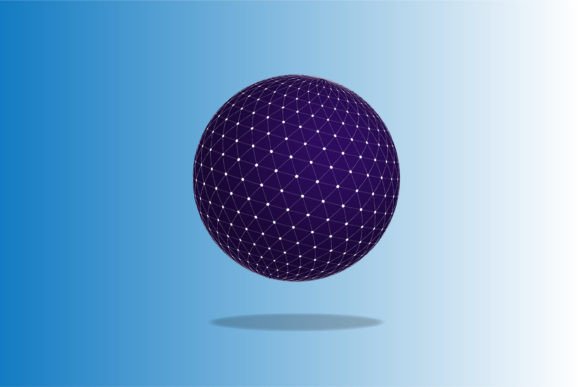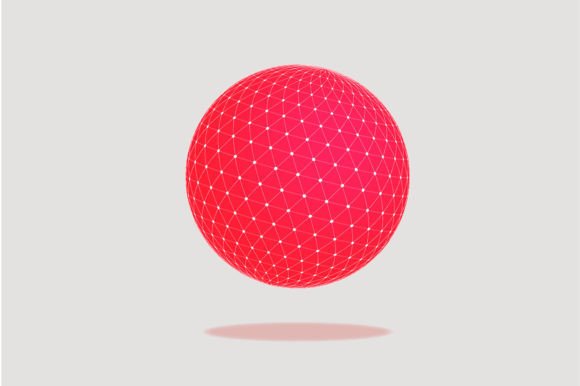
Polygonal Planet Design: Abstract 3D Po for Creative Exploration
Polygonal Planet Design: Abstract 3D Po represents a unique intersection of digital art, geometric precision, and creative exploration. This concept offers a structured yet imaginative approach to designing planetary environments using polygonal modeling techniques. Its appeal lies in its ability to blend mathematical rigor with artistic freedom, making it a compelling tool for designers, developers, and creators across various disciplines.
Understanding Polygonal Planet Design
Polygonal Planet Design refers to the process of constructing three-dimensional planetary models using polygons—geometric shapes that form the building blocks of 3D objects. The term "Abstract 3D Po" suggests an emphasis on conceptual representation rather than photorealistic accuracy. This approach allows for greater flexibility in design, enabling artists and developers to experiment with forms, textures, and structures that might not exist in nature.
The foundation of this design method is rooted in computational geometry and procedural generation. By defining parameters such as surface complexity, terrain elevation, and material distribution, users can create diverse planetary landscapes. These models are often used in video games, virtual reality experiences, and scientific simulations where realistic but stylized environments are required.
Key Characteristics and Practical Value
One of the defining features of Polygonal Planet Design is its adaptability. Whether you're creating a sci-fi world for a game or a visual aid for a presentation, the modular nature of polygonal modeling allows for easy modification and scalability. This makes it particularly useful for projects that require rapid iteration or customization.
Another strength is its efficiency. Polygonal models tend to be lightweight compared to other 3D formats, which means they load faster and consume fewer resources. This is especially important in real-time applications like gaming or VR, where performance is critical. Additionally, the use of abstract elements in 3D Po designs can reduce the need for high-resolution textures, further optimizing file size without sacrificing visual impact.
The design also encourages creativity through abstraction. Instead of focusing on naturalistic details, users can emphasize shape, color, and structure to convey specific themes or emotions. This makes it ideal for projects that prioritize aesthetics over realism, such as concept art, experimental media, or educational tools.
Real-World Applications and Performance
In practice, Polygonal Planet Design has found applications in multiple fields. Game developers use it to generate procedurally created worlds, ensuring variety and replayability. Artists and designers leverage it to explore new visual styles, while educators use it to illustrate complex concepts in astronomy, geology, and environmental science.
When evaluating its performance, it's important to consider the tools and software used. Popular platforms like Blender, Maya, and Unity offer robust polygonal modeling capabilities, making it accessible to both beginners and professionals. However, mastering these tools requires time and practice, which may be a barrier for some users.
Despite this, the long-term value of Polygonal Planet Design is significant. Its versatility ensures that it remains relevant across different industries and technological advancements. As 3D content becomes more integrated into daily life, the demand for efficient and flexible design solutions will only grow.
Strengths and Limitations
Polygonal Planet Design excels in scenarios where speed, adaptability, and visual clarity are priorities. Its structured approach allows for consistent results, which is beneficial for large-scale projects or collaborative workflows. It also supports a wide range of output formats, making it compatible with various platforms and devices.
However, it is not without limitations. The abstract nature of 3D Po designs may not suit all creative goals. For projects requiring hyper-realism or intricate detail, polygonal modeling may fall short compared to other techniques like NURBS or sculpting. Additionally, the learning curve associated with 3D modeling software can be steep for those unfamiliar with digital design.
Another consideration is the balance between simplicity and complexity. While polygonal models are efficient, they can become cumbersome if too many polygons are used. This requires careful optimization to maintain performance without compromising quality.
Who Benefits Most from Polygonal Planet Design?
This design approach is particularly valuable for professionals in the creative and technical fields. Game developers, for instance, can use it to build dynamic environments that evolve based on player interaction. Digital artists may find it useful for generating unique visuals that stand out in competitive markets.
Entrepreneurs and small business owners can also benefit by incorporating Polygonal Planet Design into their branding or product presentations. The abstract style allows for memorable and distinctive visuals that can differentiate their offerings in crowded markets.
For educators and researchers, the design offers a powerful tool for visualizing complex data. Whether explaining planetary formation, climate patterns, or geological processes, the ability to create interactive 3D models enhances understanding and engagement.
Recommendations and Final Thoughts
If you're considering adopting Polygonal Planet Design, start by identifying your specific needs. Are you looking for a fast way to prototype environments? Or do you need a tool that supports detailed customization? Understanding your goals will help determine whether this approach aligns with your workflow.
It's also wise to experiment with different software and techniques. Many platforms offer free trials or open-source alternatives, allowing you to test the waters before committing to a full-scale project. Engaging with online communities and forums can provide additional insights and best practices.
Polygonal Planet Design: Abstract 3D Po is more than just a design trend—it's a practical and innovative solution for a wide range of creative and technical challenges. Whether you're an artist, developer, educator, or entrepreneur, its potential to enhance your work is undeniable. With the right tools and approach, it can become a valuable asset in your creative toolkit.