Color Palette 3D Illustration: A New Dimension in Design
In the world of design, color plays a crucial role in communication, emotion, and aesthetics. One innovative tool that has gained attention is Color Palette 3D Illustration. This technique allows designers to visualize color combinations in a three-dimensional space, offering a fresh perspective on how colors interact and complement each other.
Unlike traditional flat color palettes, Color Palette 3D Illustration transforms static color swatches into dynamic, interactive models. This approach not only enhances the creative process but also provides a more intuitive way to explore and refine color schemes.
What Is Color Palette 3D Illustration?
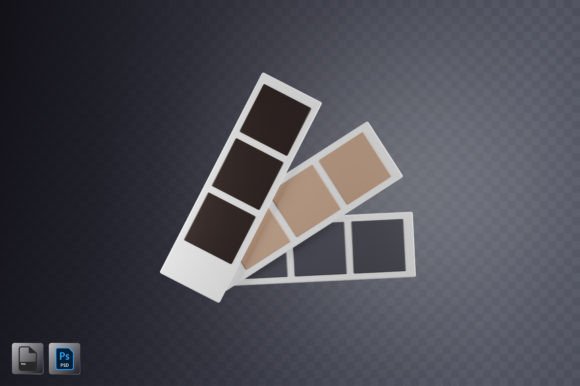
Color Palette 3D Illustration refers to the representation of color palettes in a three-dimensional format. Instead of viewing colors as isolated squares or gradients, this method arranges them in a spatial layout, often using shapes like cubes, spheres, or abstract forms to represent different hues, saturations, and brightness levels.
This visualization helps users understand how colors work together in a more holistic way. For instance, a designer might use a 3D model to see how a particular shade of blue interacts with warm tones like orange or yellow. The spatial arrangement can reveal relationships that might not be immediately obvious in a two-dimensional layout.
The Purpose and Features of Color Palette 3D Illustration
The primary purpose of Color Palette 3D Illustration is to provide a more immersive and interactive way to explore color. It serves as both a creative tool and an educational resource, helping users grasp complex color theory concepts through visual engagement.
Key features include:
- Interactive Models: Users can rotate, zoom, and manipulate 3D color models to examine different angles and perspectives.
- Dynamic Color Adjustments: Changes to hue, saturation, or brightness can be instantly reflected in the 3D illustration, allowing for real-time experimentation.
- Visual Relationships: The 3D format highlights how colors relate to one another, making it easier to identify harmonious or contrasting combinations.
These features make Color Palette 3D Illustration particularly useful for designers, artists, and developers who rely on precise color choices for their projects.
Who Benefits From Color Palette 3D Illustration?
Color Palette 3D Illustration is beneficial for a wide range of professionals and enthusiasts. Here are some key groups that can gain value from this technique:
- Graphic Designers: They can use 3D illustrations to test and refine color schemes before finalizing designs for clients.
- Web Developers: Understanding color interactions in 3D can help in creating visually appealing and accessible websites.
- Artists and Illustrators: This method offers a new way to experiment with color and composition, leading to more dynamic and expressive artwork.
- Business Owners: When branding or marketing materials, a well-considered color palette can make a significant impact on consumer perception.
Whether you're a seasoned professional or a hobbyist, Color Palette 3D Illustration can enhance your creative workflow and deepen your understanding of color.
Real-World Applications of Color Palette 3D Illustration
The practical applications of Color Palette 3D Illustration are vast. Here are a few examples of how it's being used today:
- Interior Design: Designers use 3D color models to visualize how different paint shades will look in a room, considering lighting and spatial dynamics.
- Product Packaging: Brands leverage 3D illustrations to test how packaging colors will appear in various environments, ensuring consistency and appeal.
- Game Development: Game artists use 3D color tools to create vibrant and cohesive visual styles that enhance the player experience.
- Education: In art and design courses, Color Palette 3D Illustration is used to teach students about color theory in an engaging and interactive way.
These applications demonstrate the versatility of Color Palette 3D Illustration across industries and disciplines.
Strengths and Considerations
While Color Palette 3D Illustration offers many advantages, it's important to consider its limitations and practical expectations. One of its main strengths is the ability to provide a more intuitive understanding of color relationships. However, it may not always replace traditional methods, especially when precision and technical accuracy are required.
Another consideration is the learning curve associated with using 3D color tools. Some designers may find it challenging to transition from 2D to 3D workflows. Additionally, the effectiveness of Color Palette 3D Illustration depends on the quality of the software or platform being used.
Despite these challenges, the benefits often outweigh the drawbacks, especially when used as a complementary tool alongside traditional techniques.
How to Evaluate Suitability for Your Projects
If you're considering incorporating Color Palette 3D Illustration into your workflow, here are a few steps to evaluate its suitability:
- Define Your Goals: Determine what you hope to achieve with 3D color visualization—whether it's improving design efficiency, enhancing creativity, or exploring new color combinations.
- Assess Your Tools: Research available software or platforms that support 3D color illustration and evaluate their features, ease of use, and compatibility with your existing workflow.
- Experiment and Refine: Start with small projects or experiments to see how Color Palette 3D Illustration fits into your process. Use feedback to refine your approach over time.
By taking a thoughtful and iterative approach, you can determine whether this technique aligns with your creative and professional needs.
Conclusion
Color Palette 3D Illustration represents a powerful evolution in how we interact with and understand color. By transforming static color palettes into dynamic, three-dimensional models, it offers a new level of insight and creativity for designers, artists, and professionals across various fields.
As technology continues to advance, the potential for Color Palette 3D Illustration will only grow. Whether you're looking to enhance your design process, explore new artistic possibilities, or improve the visual impact of your work, this technique can be a valuable addition to your toolkit.