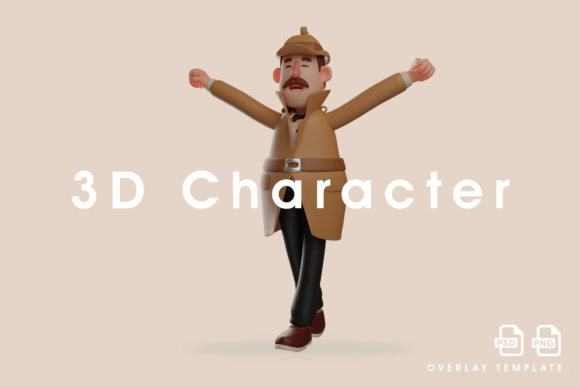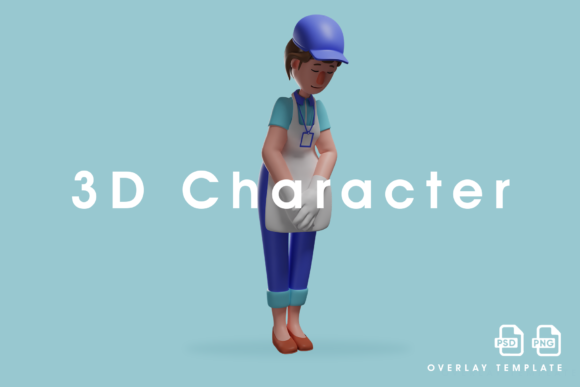
Design Documents 3D Illustration: A New Era of Visual Communication
In an age where visual storytelling dominates digital engagement, the evolution of design has taken a transformative turn. One of the most intriguing developments in this space is Design Documents 3D Illustration, a concept that merges technical precision with artistic creativity. This approach is not just about creating visuals—it's about building immersive narratives that resonate across industries, from architecture to product development and beyond.
What Is Design Documents 3D Illustration?
Design Documents 3D Illustration refers to the use of three-dimensional visual representations to convey complex design concepts, specifications, and ideas. Unlike traditional 2D blueprints or static images, these illustrations offer a dynamic, interactive view of a project, allowing stakeholders to visualize and understand designs in a more intuitive way.
This technique is often used in conjunction with design documentation—structured records that outline the objectives, constraints, and details of a project. By integrating 3D illustration into these documents, professionals can present their ideas with greater clarity and depth, reducing ambiguity and improving collaboration.
The Rise of 3D in Design Documentation
The adoption of Design Documents 3D Illustration reflects broader shifts in how businesses and creators communicate. As digital tools become more advanced, the demand for visually rich, interactive content has grown exponentially. From architects using 3D models to showcase building designs to product designers creating virtual prototypes, the applications are vast and varied.
This trend aligns with the increasing importance of visual literacy in the modern workplace. With information overload becoming a common challenge, the ability to convey complex ideas quickly and effectively is more critical than ever. 3D illustrations serve as a bridge between abstract concepts and tangible outcomes, making them an invaluable tool in today’s fast-paced environment.
Why People Are Paying Attention
There are several reasons why Design Documents 3D Illustration is capturing the attention of professionals across multiple fields. One key factor is its ability to enhance communication. In a world where cross-functional teams often work remotely, clear and concise visual communication is essential. 3D illustrations provide a shared language that transcends verbal or written descriptions, ensuring that everyone involved has a consistent understanding of the project.
Another reason for its growing popularity is the rise of virtual collaboration tools. Platforms like Figma, Sketch, and Blender now support 3D modeling and real-time feedback, enabling teams to iterate on designs more efficiently. This integration of 3D visualization into the design process not only speeds up decision-making but also reduces errors and rework.
Changing Needs and Expectations
The shift toward Design Documents 3D Illustration is also driven by changing expectations among clients and consumers. Today’s audiences are more informed and discerning, demanding transparency and detailed insights into the products and services they engage with. Whether it’s a homeowner reviewing architectural plans or a business owner evaluating a new product prototype, the ability to see and interact with a design in 3D offers a level of engagement that traditional methods cannot match.
Moreover, the rise of augmented reality (AR) and virtual reality (VR) has further amplified the relevance of 3D illustrations. These technologies allow users to experience designs in a more immersive way, providing a realistic preview of how a product or space will function in the real world. This not only enhances user experience but also builds trust and confidence in the final outcome.
Practical Applications Across Industries
The versatility of Design Documents 3D Illustration makes it applicable across a wide range of industries. In architecture, for instance, 3D models help clients visualize how a building will look and feel before construction begins. In product design, 3D illustrations enable designers to test different materials, colors, and shapes, streamlining the prototyping process.
Even in the field of marketing, 3D illustrations are proving to be a powerful tool. Brands are using them to create engaging content that stands out in crowded digital spaces. Whether it’s a product demo video or an interactive website feature, 3D visuals add a layer of sophistication and interactivity that captures attention and drives engagement.
Connecting to Larger Developments
The growth of Design Documents 3D Illustration is part of a larger movement toward data-driven and user-centric design. As companies strive to deliver personalized experiences, the need for accurate and detailed visualizations becomes even more pronounced. 3D illustrations provide the necessary depth and detail to support these efforts, ensuring that every aspect of a project is clearly communicated and understood.
Additionally, the integration of artificial intelligence (AI) in design software is opening new possibilities for 3D illustration. AI-powered tools can now generate realistic 3D models based on simple sketches or text descriptions, making the process faster and more accessible. This democratization of 3D design is empowering a wider range of creators and professionals to leverage this technology in their work.
Conclusion
Design Documents 3D Illustration represents a significant evolution in how we communicate and collaborate on creative and technical projects. Its ability to transform abstract ideas into vivid, interactive visuals makes it an essential tool in today’s design landscape. As industries continue to embrace digital transformation, the role of 3D illustration in design documentation will only grow in importance.
For professionals, creators, and entrepreneurs, staying ahead of this trend means investing in the right tools, developing the necessary skills, and understanding the value of visual storytelling. In a world where clarity and impact are paramount, Design Documents 3D Illustration offers a powerful way to connect, innovate, and succeed.