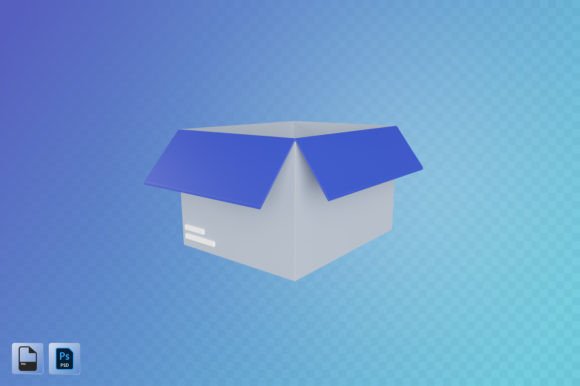
Open Package 3D Illustration: A Practical Guide for Modern Workflows
Open Package 3D Illustration is a versatile tool that brings visual clarity and depth to digital projects. It’s more than just a design element—it’s a strategic asset that enhances communication, improves user experience, and supports creative execution across various industries. Whether you're working on marketing materials, product designs, or educational content, understanding how to integrate Open Package 3D Illustration into your process can significantly boost efficiency and quality.
Understanding Open Package 3D Illustration
At its core, Open Package 3D Illustration refers to the use of three-dimensional graphics that are designed to be open-source or easily customizable. These illustrations are often used to represent products, concepts, or environments in a visually engaging way. Unlike traditional 2D images, 3D illustrations offer a sense of realism and interactivity that can make complex ideas more accessible.
This type of illustration is particularly useful in scenarios where spatial relationships, textures, or dynamic elements need to be conveyed. For example, in e-commerce, 3D product visuals can give customers a better sense of what they’re purchasing. In education, 3D diagrams can help students grasp abstract concepts more effectively.
Where Open Package 3D Illustration Fits in the Workflow
Integrating Open Package 3D Illustration into your workflow depends on the stage of your project. Here’s how it can be used before, during, and after key tasks:
Before a Project
During the planning phase, Open Package 3D Illustration can serve as a conceptual tool. It helps visualize ideas, test design concepts, and communicate with stakeholders. For instance, if you're developing a new product, creating a 3D mockup early on can provide a clearer direction for the team and reduce the need for costly revisions later.
It also aids in setting expectations. By using 3D illustrations to outline what the final output might look like, you can align team members and clients on the vision from the start.
During a Project
As the project progresses, Open Package 3D Illustration can support iterative design and development. It allows for quick adjustments and provides a reference point for consistency. For example, in software development, 3D UI elements can help designers and developers maintain a cohesive look and feel throughout the application.
Additionally, 3D illustrations can be used to create interactive prototypes. This is especially valuable in fields like architecture or engineering, where visualizing structures or systems in 3D can uncover potential issues before they become real problems.
After a Project
Even after a project is completed, Open Package 3D Illustration can play a role in documentation, training, or future improvements. High-quality 3D assets can be reused in subsequent projects, saving time and resources. They can also be used to create tutorials or guides that explain how a product or system works.
Moreover, 3D illustrations can enhance post-launch marketing efforts. They can be repurposed for social media, presentations, or customer support materials, ensuring that the visual identity remains consistent across all channels.
How Open Package 3D Illustration Interacts with Other Tools
Open Package 3D Illustration doesn’t exist in isolation. It often works alongside other tools and platforms to achieve specific goals. Here are some common integrations:
- Design Software: Tools like Blender, SketchUp, or Cinema 4D are commonly used to create 3D illustrations. These programs allow for detailed modeling, texturing, and animation, which can then be exported for use in other applications.
- Content Management Systems (CMS): Platforms like WordPress or Shopify can incorporate 3D illustrations to enhance website aesthetics and user engagement. Plugins or custom code may be required to display these assets effectively.
- Marketing Platforms: Social media, email campaigns, and digital ads can benefit from 3D visuals. These assets can be optimized for different formats and sizes to ensure they perform well across various channels.
- Collaboration Tools: Teams often use tools like Slack, Trello, or Figma to share and review 3D illustrations. These platforms enable real-time feedback and streamline the approval process.
By leveraging these integrations, users can maximize the value of Open Package 3D Illustration while maintaining a smooth and efficient workflow.
Practical Implementation Tips
Implementing Open Package 3D Illustration requires careful planning and execution. Here are some tips to help you get started:
- Define Your Goals: Before creating or sourcing 3D illustrations, clarify what you want to achieve. Are you trying to improve user engagement, simplify complex information, or enhance brand identity? Knowing your purpose will guide your choices.
- Choose the Right Format: 3D illustrations can come in various file types, such as .obj, .fbx, or .glb. Select a format that is compatible with your tools and platforms to avoid unnecessary conversions or quality loss.
- Optimize for Performance: Large 3D files can slow down websites or applications. Use compression techniques and optimize textures to ensure smooth performance without sacrificing visual quality.
- Maintain Consistency: If you're using multiple 3D assets, ensure they follow a consistent style, lighting, and color scheme. This creates a unified visual language and strengthens your overall design.
- Document Your Process: Keep track of how and why you used specific 3D illustrations. This documentation can be invaluable for future projects or when onboarding new team members.
Real-World Use Cases
Open Package 3D Illustration has a wide range of applications across different industries. Here are a few examples:
- E-Commerce: Online retailers use 3D product models to showcase items from multiple angles, helping customers make informed decisions. This reduces return rates and increases conversion rates.
- Education: Teachers and instructional designers use 3D illustrations to explain scientific concepts, historical events, or technical processes. These visuals can make learning more engaging and memorable.
- Architecture and Design: Architects and interior designers use 3D renderings to present their ideas to clients. These visuals help convey spatial relationships and material choices more effectively than 2D blueprints.
- Marketing and Advertising: Advertisers use 3D illustrations to create eye-catching visuals for campaigns. These assets can be animated or interactive, making them more compelling than static images.
Factors to Consider for Long-Term Use
To ensure that Open Package 3D Illustration remains a valuable part of your workflow, consider the following factors:
- Preparation: Plan ahead by identifying the types of 3D illustrations you’ll need and the tools you’ll use. This helps avoid last-minute challenges and ensures a smoother process.
- Compatibility: Choose 3D assets that work with your existing tools and platforms. This reduces the need for additional software or workarounds.
- Usability: Make sure the illustrations are easy to access, edit, and integrate. User-friendly assets save time and reduce friction in the workflow.
- Organization: Store 3D illustrations in a structured manner so they can be quickly retrieved and reused. This improves efficiency and reduces duplication of effort.
- Quality Control: Regularly review and update 3D assets to ensure they meet your standards. This helps maintain a high level of professionalism and consistency.
By addressing these factors, you can build a sustainable and effective use of Open Package 3D Illustration in your daily work or long-term projects.