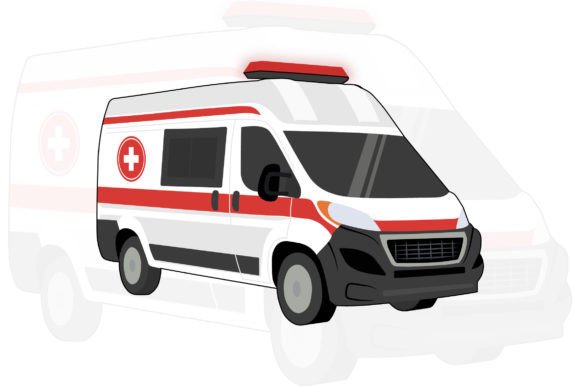
Emergency Ambulance Vector
Emergency ambulance vector is a critical tool in the healthcare industry, designed to streamline the process of responding to medical emergencies. For professionals and everyday users alike, understanding how this system works can make a significant difference in saving lives and improving patient outcomes. Whether you're a healthcare provider, a business owner, or someone who wants to be better prepared for unexpected situations, knowing about emergency ambulance vector can empower you to act quickly and effectively.
What Is Emergency Ambulance Vector?
At its core, an emergency ambulance vector refers to the efficient routing and coordination of ambulance services during urgent medical situations. This system uses advanced technology, such as GPS and real-time data, to determine the fastest and most effective path for an ambulance to reach a patient. It's not just about speed—it's about ensuring that the right resources are deployed at the right time, which can be the difference between life and death.
For example, in a city with heavy traffic, an emergency ambulance vector system can dynamically adjust routes to avoid congestion, allowing paramedics to arrive faster. This level of precision is especially valuable in urban areas where time is of the essence.
Why It Matters for Professionals and Everyday Users
Professionals in the healthcare sector, including doctors, nurses, and emergency responders, rely on emergency ambulance vector systems to manage their workflows efficiently. These tools help them prioritize cases, allocate resources, and respond to incidents without unnecessary delays. For instance, a hospital administrator might use this system to monitor ambulance arrival times and adjust staffing accordingly, ensuring that patients receive timely care.
On a personal level, anyone can benefit from understanding how these systems work. If you live in an area with limited emergency services, knowing how ambulance vectors operate can help you prepare for emergencies more effectively. It also allows you to advocate for better emergency response systems in your community.
How Emergency Ambulance Vector Improves Outcomes
The practical benefits of emergency ambulance vector are clear. By optimizing routes and reducing response times, it directly impacts patient survival rates. Studies have shown that every minute saved in reaching a patient can significantly improve their chances of recovery, especially in cases like heart attacks or severe trauma.
Consider a scenario where a person collapses in a public space. With an efficient ambulance vector system in place, emergency services can dispatch the nearest available ambulance and navigate around obstacles to arrive as quickly as possible. This not only saves time but also reduces the stress on both the patient and their loved ones.
Supporting Creativity and Communication in Healthcare
Beyond its immediate practical applications, emergency ambulance vector also plays a role in supporting communication and collaboration within the healthcare ecosystem. When emergency services, hospitals, and first responders are all connected through a unified system, information flows more smoothly, leading to better decision-making and more coordinated care.
This interconnected approach can also foster innovation. Developers and tech companies often collaborate with healthcare providers to create more advanced ambulance vector solutions. These innovations can lead to new tools that enhance emergency response, such as mobile apps that allow bystanders to report incidents or track ambulance locations in real time.
Who Benefits Most from Emergency Ambulance Vector?
While emergency ambulance vector is essential for healthcare professionals, it also offers value to a wide range of other individuals and organizations. Entrepreneurs and small business owners may find it useful when planning for workplace safety or managing employee health. Educators and trainers can incorporate these concepts into their curricula to teach students about emergency management and public health.
Additionally, freelancers and remote workers who travel frequently can benefit from understanding how ambulance systems operate in different regions. This knowledge can help them make informed decisions about where to live or work, ensuring they have access to reliable emergency services if needed.
Real-World Applications and Use Cases
Emergency ambulance vector isn't just theoretical—it has real-world applications that impact people daily. In rural areas where emergency services may be limited, these systems can help bridge the gap by connecting patients with the nearest available ambulance, even if it means traveling longer distances. This ensures that no one is left without assistance due to geographic constraints.
Another example is in large-scale events, such as concerts or sports games, where thousands of people gather. Emergency ambulance vector systems can predict potential incidents and pre-position ambulances in high-risk areas, allowing for quicker response times and more effective crowd management.
Limitations and Considerations
Like any system, emergency ambulance vector has its limitations. Factors such as infrastructure quality, weather conditions, and resource availability can affect its effectiveness. In some regions, outdated technology or lack of funding may hinder the implementation of advanced ambulance vector systems.
It's also important to note that while these systems can greatly improve response times, they are not a substitute for well-trained emergency personnel. Human judgment and experience remain crucial in high-stress situations. Therefore, it's wise to consider multiple factors when evaluating emergency response options, rather than relying solely on technological solutions.
Looking Ahead: The Future of Emergency Ambulance Vector
As technology continues to evolve, so too will emergency ambulance vector systems. Innovations such as artificial intelligence, machine learning, and predictive analytics are already being explored to further enhance these systems. These advancements could lead to even more accurate and efficient emergency responses, ultimately saving more lives.
For those interested in staying ahead of the curve, keeping an eye on developments in this field can provide valuable insights. Whether you're a professional in the healthcare industry or simply someone concerned about emergency preparedness, understanding the future of emergency ambulance vector can help you make informed decisions and stay prepared for any situation.